


Latest Forum Topics /
OCBC Bank
Last:31.92
 +0.07
+0.07
|
 Post Reply Post Reply
|
|
Aem
|
||||||||||||||||||||||||||||||||||||||||||||||||||||||||||||||||||||||||||||||||||||||||||||||||||||||||||||||||||||||||||||||||||||||||||||||||||||||||||||
|
chartiskao
Supreme |
31-Jul-2026 10:00
|
|||||||||||||||||||||||||||||||||||||||||||||||||||||||||||||||||||||||||||||||||||||||||||||||||||||||||||||||||||||||||||||||||||||||||||||||||||||||||||
|
x 0
x 0 Alert Admin |
Here is a structured synthesis and key takeaways from the two articles you provided: the Banking & Insurance Earnings Report and the Singapore IPO Market Analysis.
Part 1: Asian Financials Earnings Preview (August 2026)The upcoming earnings season serves as a key fundamental catalyst for three major Asian financial powerhouses&mdash OCBC, Ping An Insurance, and HSBC. Despite strong year-to-date rallies, these institutions offer defensive earnings, growing wealth management fees, and resilient balance sheets.Summary Matrix
Part 2: Singapore IPO Market AnalysisWhile secondary market activity on the Singapore Exchange (SGX) has surged&mdash with securities trading value jumping 72% YoY to S$44.6 billion in June 2026&mdash the primary IPO market reveals a sharp split between listing volume and post-listing performance.Why Recent SGX Mainboard Listings Underperformed
Checklist for Evaluating Upcoming SGX IPOsWhen analyzing preliminary prospectuses filed on SGX:
|
|||||||||||||||||||||||||||||||||||||||||||||||||||||||||||||||||||||||||||||||||||||||||||||||||||||||||||||||||||||||||||||||||||||||||||||||||||||||||||
| Useful To Me Not Useful To Me | ||||||||||||||||||||||||||||||||||||||||||||||||||||||||||||||||||||||||||||||||||||||||||||||||||||||||||||||||||||||||||||||||||||||||||||||||||||||||||||
|
chartistkaohz
Supreme |
30-Jul-2026 10:04
|
|||||||||||||||||||||||||||||||||||||||||||||||||||||||||||||||||||||||||||||||||||||||||||||||||||||||||||||||||||||||||||||||||||||||||||||||||||||||||||
|
x 0
x 0 Alert Admin |
Yes. A prolonged period of weakness in U.S. AI stocks can indirectly support Hong Kong (HK) equities through capital rotation, although it is only one of several factors.
Here's how the process works: AI valuation correction: If expensive U.S. AI stocks (such as major semiconductor and technology companies) experience profit-taking or weaker earnings, global investors often reduce exposure to high-valuation growth stocks. Rotation into value: Fund managers then look for markets trading at lower valuations. Hong Kong is attractive because many large companies trade at relatively low price-to-book and price-to-earnings multiples compared with U.S. peers. Lower interest rates: If the U.S. economy slows and the Federal Reserve cuts interest rates, financing conditions generally improve. Hong Kong property developers, insurers, and banks tend to benefit because borrowing costs fall and investor sentiment improves. China policy support: If Beijing continues to introduce measures to stabilize the economy and property market, overseas investors may become more willing to increase allocations to Hong Kong-listed companies. Some sectors that could benefit include: Hong Kong property developers such as Henderson Land Development and New World Development. Financials such as Ping An Insurance. High-yield REITs and utilities that become more attractive as bond yields decline. However, there are also risks: If U.S. AI stocks fall because of a global recession rather than just high valuations, investors may sell both U.S. and Hong Kong equities. Weak earnings or renewed stress in China's property sector could limit any rebound in Hong Kong stocks. Overall, if the U.S. experiences an AI-led valuation correction while interest rates decline and China's economy continues to stabilize, Hong Kong's value stocks could attract increased international capital. This is one reason many value investors have been watching Hong Kong closely after its prolonged period of underperformance. |
|||||||||||||||||||||||||||||||||||||||||||||||||||||||||||||||||||||||||||||||||||||||||||||||||||||||||||||||||||||||||||||||||||||||||||||||||||||||||||
| Useful To Me Not Useful To Me | ||||||||||||||||||||||||||||||||||||||||||||||||||||||||||||||||||||||||||||||||||||||||||||||||||||||||||||||||||||||||||||||||||||||||||||||||||||||||||||
|
|
||||||||||||||||||||||||||||||||||||||||||||||||||||||||||||||||||||||||||||||||||||||||||||||||||||||||||||||||||||||||||||||||||||||||||||||||||||||||||||
|
chartiskao
Supreme |
30-Jul-2026 06:15
|
|||||||||||||||||||||||||||||||||||||||||||||||||||||||||||||||||||||||||||||||||||||||||||||||||||||||||||||||||||||||||||||||||||||||||||||||||||||||||||
|
x 0
x 0 Alert Admin |
my analysis captures the strategic direction well, but a few points deserve refinement. The biggest takeaway is that this is not fundamentally about robots&mdash it is about control over the future AI and industrial technology stack.
Overall AssessmentI would characterize this as:
1. Why Is the U.S. Targeting Robots?Ten years ago, industrial robots were largely mechanical.Today' s humanoid robots are different. They combine:
This is the same reasoning previously applied to concerns about telecom infrastructure and connected devices. 2. Why Power Inverters MatterMany people underestimate this issue.A power inverter is effectively the " brain" connecting:
As AI data centers consume increasing amounts of electricity, reliable and secure grid equipment becomes strategically important. 3. Physical AI Is Becoming the Next BattlefieldThe AI competition has evolved through several phases:Phase 1AI chipsExamples:
Phase 2Cloud computing
Phase 3Foundation models
Phase 4 (current)Physical AIThis includes:
4. China Still Holds Significant AdvantagesEven if U.S. restrictions limit market access, China retains strengths:
5. Does China Really Produce Around 85%?The exact percentage depends on how " humanoid robots" are defined and measured.However, the broader point is accurate: China is currently one of the world' s largest producers of commercial humanoid robots and robotic components. Major Chinese companies include:
6. Who Benefits?Several non-Chinese companies could see opportunities if customers diversify supply chains.Japan
South KoreaCompanies involved in:
EuropePotential beneficiaries include:
United StatesDomestic robotics companies such as:
7. Implications for NVIDIAThis is a nuanced issue.On one hand:
Demand for NVIDIA' s AI computing platform remains broad across:
8. Impact on SingaporeSingapore could benefit in several ways.More Regional HeadquartersMultinational companies may expand regional operations in Singapore to coordinate Asia-Pacific activities.Supply Chain DiversificationCompanies may increasingly establish manufacturing or logistics operations in:
Financial ServicesSingapore banks such as:
9. Does This Mean AI Is Slowing?Not necessarily.The competition is shifting from: " Who has the best AI model?"to " Who controls the entire AI ecosystem?"That ecosystem now includes:
Investment PerspectiveThis development reinforces a long-term trend rather than representing an isolated policy decision. The U.S. appears to be broadening its national security framework to cover any connected hardware that could interact with sensitive infrastructure or data.For investors, several themes emerge:
|
|||||||||||||||||||||||||||||||||||||||||||||||||||||||||||||||||||||||||||||||||||||||||||||||||||||||||||||||||||||||||||||||||||||||||||||||||||||||||||
| Useful To Me Not Useful To Me | ||||||||||||||||||||||||||||||||||||||||||||||||||||||||||||||||||||||||||||||||||||||||||||||||||||||||||||||||||||||||||||||||||||||||||||||||||||||||||||
|
chartistkaohz
Supreme |
29-Jul-2026 15:35
|
|||||||||||||||||||||||||||||||||||||||||||||||||||||||||||||||||||||||||||||||||||||||||||||||||||||||||||||||||||||||||||||||||||||||||||||||||||||||||||
|
x 0
x 0 Alert Admin |
ThaiBev's current valuation and (2) Singapore's latest property policy, which can have indirect implications for consumer companies like ThaiBev.
1. ThaiBev (SGX: Y92) Analysis From your screenshot: Share price: SGD 0.46 P/E: 11.36× P/B: 1.95× EPS (TTM): SGD 0.0398 Book value/share: SGD 0.2237 Dividend: SGD 0.0247 Dividend yield: 5.49% Market cap: SGD 11.3 billion Valuation P/E 11.4× Reasonable for a mature consumer staples business. Lower than many global beverage companies, which often trade at 15?25× earnings. Dividend yield 5.5% Attractive in today's market. Higher than Singapore's long-term government bond yields. Suitable for income-focused investors. P/B 1.95× Not a deep value stock on book value. However, consumer brands deserve higher P/B because much of their value comes from brands rather than physical assets. Business Strengths ThaiBev owns major brands across ASEAN: Chang Beer SangSom Mekhong Oishi F&N Fraser & Neave property interests Advantages: Leading market share in Thailand. Strong cash generation. Stable alcohol demand. Diversified into soft drinks and food. Large ASEAN distribution network. Risks Thailand economy Consumer spending has been slow. Competition Beer and spirits competition remains intense. Currency Earnings are mainly in Thai baht while SG investors receive SGD-denominated shares. Regulation Alcohol taxes can increase over time. Dividend Outlook With a 5.49% yield, ThaiBev remains attractive for investors seeking stable income, assuming earnings remain resilient. 2. Singapore Private Housing Policy The Chinese newspaper headline says: 15-month waiting period for private homeowners buying HDB resale has been removed. This policy means: Previously: People selling private property had to wait 15 months before buying a resale HDB. Now: They can move into resale HDB much sooner (subject to the applicable eligibility rules). Why did the government remove it? The waiting period was introduced during the post-COVID property boom to reduce demand for resale HDBs. Now: Private home prices have moderated. Resale HDB price growth has slowed. Supply has improved. Cooling measures have been effective. Hence the government judged that the 15-month rule was no longer necessary. Who benefits? Older homeowners Many retirees can now: Sell a condo. Buy a smaller HDB resale flat. Unlock cash for retirement. This is especially beneficial for right-sizing. Families Greater flexibility when moving between housing types. HDB resale market Demand may rise modestly, particularly for larger resale flats. Property Market Impact Positive Higher liquidity. Easier upgrading and downsizing. Better housing mobility. Possible downside Some increase in resale HDB demand. Prices could receive mild support, although new BTO supply and other cooling measures should help limit excessive price increases. Does this affect ThaiBev? Indirectly, yes. If more households successfully monetize private property and free up cash: Consumer confidence may improve. Spending on restaurants, celebrations, and beverages could rise modestly. However, this effect is likely small compared with the main drivers of ThaiBev's earnings, which are: Thailand's economy. Tourism. Alcohol consumption trends. Operating efficiency. Input costs (barley, packaging, energy). Overall Assessment For a long-term dividend investor: ThaiBev ✅ Dividend yield around 5.5% is attractive. ✅ Reasonable valuation at 11.4× earnings. ✅ Strong brands and resilient cash flow. ⚠ ️ Growth is likely to be moderate rather than rapid, so the investment case is mainly income plus steady long-term compounding rather than high capital appreciation. Regarding the housing policy, the removal of the 15-month waiting period is broadly positive for Singapore's housing market because it improves mobility and gives many older homeowners greater flexibility to right-size. It is unlikely, by itself, to trigger another sharp surge in property prices because other cooling measures and increased housing supply remain in place. |
|||||||||||||||||||||||||||||||||||||||||||||||||||||||||||||||||||||||||||||||||||||||||||||||||||||||||||||||||||||||||||||||||||||||||||||||||||||||||||
| Useful To Me Not Useful To Me | ||||||||||||||||||||||||||||||||||||||||||||||||||||||||||||||||||||||||||||||||||||||||||||||||||||||||||||||||||||||||||||||||||||||||||||||||||||||||||||
|
chartistkaohz
Supreme |
29-Jul-2026 08:17
|
|||||||||||||||||||||||||||||||||||||||||||||||||||||||||||||||||||||||||||||||||||||||||||||||||||||||||||||||||||||||||||||||||||||||||||||||||||||||||||
|
x 0
x 0 Alert Admin |
Here is a polished and more critical report suitable for an investment research paper.
Writing Critical Analysis Report: CXMT's US$12.7 Billion IPO ? Why a Record Debut Can Still Be Considered a Capital Market Failure Executive Summary ChangXin Memory Technologies (CXMT), China's leading domestic DRAM manufacturer, completed Asia's largest IPO of 2026 by raising approximately US$12.7 billion. Despite the shares soaring more than 400% on their first day of trading and briefly becoming one of mainland China's most valuable listed technology companies, many institutional investors and market commentators described the IPO as a disappointment rather than a success. At first glance, this appears contradictory. However, from a corporate finance perspective, the criticism is well founded. The ultimate purpose of an IPO is not to maximize first-day trading gains for investors but to maximize efficient capital raising for the issuing company. A dramatic first-day surge often indicates significant underpricing, meaning that billions of dollars of value were transferred from the company to short-term market participants. The comparison with SpaceX's reported US$86 billion capital raising highlights two very different approaches to financing long-term innovation and demonstrates how capital market structure can materially influence corporate competitiveness. 1. IPO Success Should Be Measured by Capital Efficiency Many retail investors judge an IPO by its first-day performance. Institutional investors generally apply a different standard. A successful IPO should: Raise the maximum amount of long-term capital. Minimize the issuer's cost of equity. Attract stable institutional shareholders. Provide sufficient liquidity without excessive speculation. Support the company's long-term strategic investment plans. Under these criteria, a 20% first-day gain is generally viewed as healthy because it rewards investors while ensuring that the company captures most of the available value. When an IPO rises by more than 400% on its debut, it suggests that the offering price was substantially below true market demand. 2. The Cost of Underpricing For a capital-intensive semiconductor company, underpricing carries significant consequences. If investors were willing to pay several times the IPO price, the company could potentially have raised substantially more capital by pricing the offering closer to market-clearing levels. Instead, much of that value accrued to early investors and short-term traders rather than remaining on CXMT's balance sheet. For a DRAM manufacturer, this opportunity cost is especially meaningful because semiconductor fabrication requires enormous and ongoing investment in: Advanced fabrication facilities. Lithography equipment. Research and development. Process technology. Packaging and testing. Supply-chain resilience. Every dollar not raised through equity financing may later need to be funded through debt, government support, or future equity issuance, potentially increasing financing costs or shareholder dilution. 3. Semiconductor Manufacturing Is a Capital Race Unlike software businesses, memory-chip producers must continually invest to remain technologically competitive. Major global competitors?including Samsung Electronics, SK Hynix, and Micron Technology?spend tens of billions of dollars annually on: Next-generation DRAM development. High-bandwidth memory (HBM). Artificial intelligence memory solutions. Process node migration. Yield improvements. The competitive landscape rewards sustained investment rather than one-time market enthusiasm. A successful IPO should therefore maximize available funding rather than merely generating spectacular trading headlines. 4. China's Unique Capital Market Environment The structure of China's capital markets differs significantly from that of the United States. Several characteristics influence IPO outcomes: Greater participation by retail investors. Strong momentum-driven trading. Limited participation from many Western institutional investors due to geopolitical restrictions. Significant involvement by domestic institutions and state-backed funds. Capital controls that reduce cross-border arbitrage. These conditions can produce larger price swings and less efficient price discovery than markets dominated by global institutional investors. As a result, IPO prices may deviate more substantially from intrinsic value during the initial trading period. 5. SpaceX: A Different Capital-Raising Model The comparison with SpaceX illustrates a contrasting philosophy. Rather than maximizing first-day excitement, a well-executed institutional offering seeks balanced price discovery. An orderly first-day gain suggests that: Investor demand was accurately assessed. The company captured most of the available capital. Institutional shareholders remain committed. Market confidence is preserved. Future fundraising becomes easier. Large, long-duration projects require stable capital rather than speculative enthusiasm. If a company intends to pursue ambitious initiatives?such as reusable launch systems, satellite infrastructure, or advanced computing platforms?efficient capital accumulation becomes a strategic advantage. 6. Geopolitical Implications The comparison also reflects increasing fragmentation in global capital markets. United States technology firms generally retain access to: Global institutional investors. Deep venture-capital networks. Pension funds. Sovereign wealth funds. International investment banks. Chinese semiconductor companies increasingly depend on: Domestic institutional investors. State capital. National industrial policies. Mainland retail participation. This divergence affects: Cost of capital. Valuation. Liquidity. Investor diversity. Strategic flexibility. Access to broad pools of international capital can become a competitive advantage in industries where technological leadership depends on sustained investment. 7. Risks Behind the Headlines Although CXMT's market debut attracted significant attention, investors should remain aware of several long-term risks: The memory industry is highly cyclical, with sharp swings in pricing and profitability. Rapid technological change requires continuous capital expenditure. Export controls and geopolitical tensions may limit access to advanced equipment and intellectual property. High post-IPO valuations increase expectations for future earnings growth. Speculative trading can create substantial share-price volatility that may not reflect underlying business fundamentals. A strong first trading day does not guarantee sustainable long-term shareholder returns. 8. Lessons for Long-Term Investors Several important principles emerge from the comparison. First, headline performance should not be confused with corporate success. The amount of capital retained by the issuing company is often more important than the magnitude of the first-day price increase. Second, efficient capital allocation is a critical determinant of long-term competitiveness, particularly in industries that require sustained investment over many years. Third, geopolitical developments increasingly shape access to funding, technology, and global investors. Capital markets have become an extension of strategic competition. Finally, investors should focus on fundamentals?cash flow generation, return on invested capital, technological capability, and capital allocation discipline?rather than short-term trading excitement. Conclusion The contrast between CXMT and SpaceX highlights two distinct models of capital formation. CXMT's remarkable share-price appreciation demonstrates strong investor enthusiasm but also raises legitimate questions about pricing efficiency and the company's ability to maximize the proceeds available for future investment. SpaceX, by comparison, exemplifies a financing approach centered on efficient capital accumulation and long-term strategic flexibility. For long-term investors, the key lesson is clear: an IPO should not be judged by the size of its first-day gain but by how effectively it equips the business to create sustainable value over the years ahead. In capital-intensive sectors such as semiconductors and aerospace, disciplined capital raising can ultimately matter more than spectacular opening-day returns. If you'd like, I can also expand this into a � 2,500?3,000 word institutional-style report that includes valuation implications, comparisons with major semiconductor IPOs (such as ARM and SMIC), and lessons for long-term value investors like Warren Buffett. |
|||||||||||||||||||||||||||||||||||||||||||||||||||||||||||||||||||||||||||||||||||||||||||||||||||||||||||||||||||||||||||||||||||||||||||||||||||||||||||
| Useful To Me Not Useful To Me | ||||||||||||||||||||||||||||||||||||||||||||||||||||||||||||||||||||||||||||||||||||||||||||||||||||||||||||||||||||||||||||||||||||||||||||||||||||||||||||
|
|
||||||||||||||||||||||||||||||||||||||||||||||||||||||||||||||||||||||||||||||||||||||||||||||||||||||||||||||||||||||||||||||||||||||||||||||||||||||||||||
|
chartiskao
Supreme |
29-Jul-2026 05:01
|
|||||||||||||||||||||||||||||||||||||||||||||||||||||||||||||||||||||||||||||||||||||||||||||||||||||||||||||||||||||||||||||||||||||||||||||||||||||||||||
|
x 0
x 0 Alert Admin |
At first glance, the headline (" Mortgagee-sale listings hit six-year high" ) sounds alarming, but the underlying data suggest a normalization of credit conditions rather than a property market crisis.
Key numbers
Why are mortgagee sales increasing?The main reason is higher interest rates and tighter lending standards, not necessarily a collapse in property values.After several years of elevated borrowing costs:
Why this is not like 1998 or 2008During the 1997 Asian Financial Crisis and the 2008 Global Financial Crisis, Singapore experienced:
The article notes:
Why owner-sale listings are fallingThis is an encouraging signal.Instead of waiting for foreclosure:
Industrial properties deserve attentionIndustrial properties accounted for a meaningful increase in auction listings.Many involved:
What would Warren Buffett look for?Warren Buffett has often said:" Be fearful when others are greedy and greedy when others are fearful."He would likely ask: 1. Is this a temporary liquidity problem?If owners are being forced to sell because financing has tightened&mdash but the underlying assets remain sound&mdash he may see opportunity.2. Are prices below intrinsic value?He would compare:
3. Is the problem cyclical?If higher rates are the main driver and rates eventually ease, well-located assets could recover.What would Li Ka-shing look for?Li Ka-shing has built his reputation by buying quality assets during periods of market caution.He would likely ask:
Implications for Singapore banksFor banks such as:
Banks typically:
What investors should monitorThe current increase in mortgagee listings is worth watching, but it is not by itself evidence of a property crisis. More important indicators over the coming quarters include:
Overall, this report suggests credit conditions have tightened, but Singapore' s property market still appears fundamentally resilient, with healthy resale activity and continued demand for attractively priced residential and industrial assets.
|
|||||||||||||||||||||||||||||||||||||||||||||||||||||||||||||||||||||||||||||||||||||||||||||||||||||||||||||||||||||||||||||||||||||||||||||||||||||||||||
| Useful To Me Not Useful To Me | ||||||||||||||||||||||||||||||||||||||||||||||||||||||||||||||||||||||||||||||||||||||||||||||||||||||||||||||||||||||||||||||||||||||||||||||||||||||||||||
|
chartiskao
Supreme |
28-Jul-2026 05:48
|
|||||||||||||||||||||||||||||||||||||||||||||||||||||||||||||||||||||||||||||||||||||||||||||||||||||||||||||||||||||||||||||||||||||||||||||||||||||||||||
|
x 0
x 0 Alert Admin |
If MAS continues tightening and the Singapore dollar (SGD) appreciates, Singaporeans can benefit&mdash but only if they deliberately adjust how they spend, save, and invest. Since Singapore is a small, import-dependent economy with a high cost of living, a stronger SGD can partially offset inflation.
Here are some practical ways to take advantage of such a scenario. 1. Buy imported goods when the SGD is strongA stronger SGD means your dollars buy more foreign currency.This can lower the SGD cost of:
2. Travel overseasIf SGD strengthens against:
Examples:
3. Buy foreign investments when currencies are weakIf you intend to own quality foreign assets for many years, a strong SGD can reduce your purchase cost.For example:
Do note, however, that if those foreign currencies later weaken further, your SGD returns may be reduced even if the local share price rises. 4. Reduce imported household costsA stronger SGD may gradually ease prices for:
5. Reinvest dividendsUsing your Sasseur REIT example:If you continue receiving an 8&ndash 9% yield on your original purchase cost and reinvest distributions while prices remain attractive, you increase the number of units you own and future dividend income. Compounding is especially powerful if distributions remain sustainable. 6. Build a diversified income streamFor many Singaporeans, salary growth may not fully keep pace with long-term living costs.Additional income sources can help:
7. Keep some liquidityMAS often tightens because the economy is resilient.However, economic cycles still occur. Maintaining an emergency fund allows you to:
What about inflation?Your example of coffee is instructive:
Similarly:
This means that cash alone gradually loses purchasing power. While a stronger SGD can help moderate imported inflation, it does not eliminate the broader rise in domestic costs over decades. A balanced long-term strategyFor many Singaporeans, a balanced approach could look like this:
|
|||||||||||||||||||||||||||||||||||||||||||||||||||||||||||||||||||||||||||||||||||||||||||||||||||||||||||||||||||||||||||||||||||||||||||||||||||||||||||
| Useful To Me Not Useful To Me | ||||||||||||||||||||||||||||||||||||||||||||||||||||||||||||||||||||||||||||||||||||||||||||||||||||||||||||||||||||||||||||||||||||||||||||||||||||||||||||
|
chartiskao
Supreme |
27-Jul-2026 13:41
|
|||||||||||||||||||||||||||||||||||||||||||||||||||||||||||||||||||||||||||||||||||||||||||||||||||||||||||||||||||||||||||||||||||||||||||||||||||||||||||
|
x 0
x 0 Alert Admin |
Singapore' s Capital Market Evolution: Transparency, Governance and Market IntegritySingapore' s capital markets have undergone significant reforms in recent years, reflecting a broader shift toward greater transparency, stronger corporate governance, and a more disclosure-based regulatory framework. These changes seek to enhance investor confidence while maintaining Singapore' s competitiveness as a leading international financial centre.A Shift Toward a Disclosure-Based Regulatory RegimeOne of the most significant developments has been Singapore Exchange Regulation' s (SGX RegCo) transition toward a disclosure-based regulatory framework, which took effect in October 2025. Rather than relying primarily on prescriptive rules, the framework places greater emphasis on providing investors with timely, decision-useful information, bringing Singapore more closely in line with other mature international markets.Key reforms include: Lowered Profit Threshold for Mainboard ListingsThe quantitative admission criteria for Mainboard listings were revised, reducing the minimum cumulative pre-tax profit requirement from S$30 million to S$10 million. This broadens access to the capital market for high-quality companies with promising growth prospects while maintaining appropriate listing standards.More Practical Internal Control ReportingInstead of requiring boards to simply declare that no material weaknesses exist, companies must now disclose any material internal control deficiencies together with remediation plans and implementation progress. This provides investors with more meaningful information while allowing directors to exercise professional judgment.Simplified Conflict-of-Interest RequirementsFor most listed issuers (excluding REITs and business trusts), the previous requirement to eliminate conflicts of interest before listing has been replaced by comprehensive disclosure requirements. Investors are therefore better positioned to evaluate governance arrangements and associated risks based on transparent information.Corporate Governance: From Principles to Mandatory StandardsSingapore continues to strengthen its corporate governance framework by combining market-driven best practices with targeted regulatory intervention where necessary.Board RenewalThe Code of Corporate Governance originally adopted a " comply or explain" approach for long-serving independent directors. As board renewal progressed slowly, the SGX Listing Rules were amended in 2023 to impose a mandatory nine-year limit on independent directors, significantly accelerating board refreshment and strengthening board independence.Greater Remuneration TransparencyFor financial years ending on or after 31 December 2024, listed companies must disclose the exact remuneration and detailed compensation components of each director and chief executive officer. This enhances accountability and enables shareholders to better assess whether executive pay is aligned with company performance.A More Calibrated Governance FrameworkThe Monetary Authority of Singapore (MAS) continues to review the Code of Corporate Governance with the objective of adopting a more proportionate framework that recognises the differing characteristics of large multinational corporations, mid-sized enterprises, family-controlled businesses, REITs, and business trusts, rather than relying on a single governance model for all issuers.Temasek' s Continuing Evolution in TransparencyTemasek has also significantly expanded its public disclosures over the past two decades.A Landmark ChangeAfter operating largely outside public disclosure for its first three decades, Temasek began publishing comprehensive financial information in 2004. This marked an important milestone in institutionalising the organisation and responding to increasing expectations for transparency.Current Disclosure PracticesToday, Temasek publishes its annual Temasek Review, providing information on:
While Temasek provides broad portfolio disclosures, detailed capital allocation decisions&mdash including acquisitions, divestments, and changes in listed shareholdings&mdash are generally announced by the respective listed companies in accordance with SGX disclosure requirements. Short Selling and Market IntegritySingapore maintains a regulatory framework that recognises both the benefits and potential risks associated with short selling.Transparency MeasuresSince 2018:
Enhanced Market SurveillanceSGX RegCo continues to strengthen its surveillance capabilities through increasingly sophisticated analytics and artificial intelligence tools to detect unusual trading behaviour, market manipulation, and disorderly trading activity. Where appropriate, SGX RegCo may issue Trade-with-Caution alerts to protect investors and maintain orderly markets.Future DevelopmentsSingapore' s capital market reforms continue to evolve.Dematerialisation of SecuritiesMAS is consulting on a framework to eliminate physical share certificates, creating a fully digital securities market. This initiative is expected to improve settlement efficiency, reduce administrative costs, and support future innovations such as tokenised financial assets.Improving Corporate CommunicationRegulators have encouraged listed companies to move beyond minimum compliance and provide more meaningful disclosures regarding corporate strategy, capital allocation, risk management, and long-term value creation. Enhanced engagement with investors throughout the year&mdash not solely during annual general meetings&mdash can improve market understanding and foster greater investor confidence.ConclusionSingapore' s capital market reforms demonstrate a continuing evolution toward a modern, disclosure-based regulatory regime that emphasises transparency, accountability, and investor empowerment.The combined efforts of SGX RegCo, MAS, listed companies, institutional investors, and major shareholders such as Temasek are strengthening market integrity while maintaining Singapore' s attractiveness as a global financial centre. Continued improvements in disclosure quality, corporate governance, capital allocation transparency, and market infrastructure will further reinforce investor confidence and support the long-term development of Singapore' s capital markets.
|
|||||||||||||||||||||||||||||||||||||||||||||||||||||||||||||||||||||||||||||||||||||||||||||||||||||||||||||||||||||||||||||||||||||||||||||||||||||||||||
| Useful To Me Not Useful To Me | ||||||||||||||||||||||||||||||||||||||||||||||||||||||||||||||||||||||||||||||||||||||||||||||||||||||||||||||||||||||||||||||||||||||||||||||||||||||||||||
|
|
||||||||||||||||||||||||||||||||||||||||||||||||||||||||||||||||||||||||||||||||||||||||||||||||||||||||||||||||||||||||||||||||||||||||||||||||||||||||||||
|
chartiskao
Supreme |
27-Jul-2026 13:34
|
|||||||||||||||||||||||||||||||||||||||||||||||||||||||||||||||||||||||||||||||||||||||||||||||||||||||||||||||||||||||||||||||||||||||||||||||||||||||||||
|
x 0
x 0 Alert Admin |
There is a reasonable investment thesis behind rotating from a market that has performed exceptionally well into markets or sectors that appear cheaper, but the conclusion that investors should sell India and buy specific Hong Kong stocks is not something that can be stated with certainty. It depends on whether the valuation gap ultimately closes and whether the cheaper assets' fundamentals improve. Here' s a balanced assessment. India' s Market: Reasons Some Investors Might Take ProfitsFrom your figures:
Reasons some investors may choose to reduce exposure include:
Why Hong Kong Looks Attractive to Value InvestorsMany Hong Kong-listed companies have experienced the opposite trend.Examples include:
HSBCPotential positives:
Trip.comPotential positives:
Henderson LandPotential positives:
Kerry PropertiesPotential positives:
New World DevelopmentPotential positives:
Could This Benefit OCBC?Your thesis is:Capital rotates from India into Hong Kong and ASEAN, increasing wealth-management activity, which benefits OCBC.There is a plausible economic mechanism:
Value RotationMany professional investors follow a framework like this:
How Buffett and Li Ka-shing Might View ItNeither Warren Buffett nor Li Ka-shing has advocated rotating simply because a market has risen. Instead, both have emphasized valuation relative to intrinsic value.If they concluded that:
The decision would be based on the fundamentals of the individual companies rather than on the expectation that one country' s market must outperform another. ConclusionYour proposed rotation has a coherent value-investing rationale:
|
|||||||||||||||||||||||||||||||||||||||||||||||||||||||||||||||||||||||||||||||||||||||||||||||||||||||||||||||||||||||||||||||||||||||||||||||||||||||||||
| Useful To Me Not Useful To Me | ||||||||||||||||||||||||||||||||||||||||||||||||||||||||||||||||||||||||||||||||||||||||||||||||||||||||||||||||||||||||||||||||||||||||||||||||||||||||||||
|
pasttime
Supreme |
27-Jul-2026 13:12
Yells: "gold silver are real money. not others iou." |
|||||||||||||||||||||||||||||||||||||||||||||||||||||||||||||||||||||||||||||||||||||||||||||||||||||||||||||||||||||||||||||||||||||||||||||||||||||||||||
|
x 0
x 0 Alert Admin |
If they want good results just use money to buy up some of their well shorted subsidiary. Enough up 15%. Just worry they are part of party shorting thrir own shares. Hope sgx can have more real time shareholders list like hkex. Also limit shorts to 1% of isdue capitals. Always feel rule too fair to big player | |||||||||||||||||||||||||||||||||||||||||||||||||||||||||||||||||||||||||||||||||||||||||||||||||||||||||||||||||||||||||||||||||||||||||||||||||||||||||||
| Useful To Me Not Useful To Me | ||||||||||||||||||||||||||||||||||||||||||||||||||||||||||||||||||||||||||||||||||||||||||||||||||||||||||||||||||||||||||||||||||||||||||||||||||||||||||||
|
chartistkaohz
Supreme |
27-Jul-2026 11:43
|
|||||||||||||||||||||||||||||||||||||||||||||||||||||||||||||||||||||||||||||||||||||||||||||||||||||||||||||||||||||||||||||||||||||||||||||||||||||||||||
|
x 0
x 0 Alert Admin |
The idea is understandable, but as a general investment rule it isn't supported by the evidence. It depends on which investments, what time period, and what benchmark you choose.
There are reasons why some people reach this conclusion: Why some investors think "doing the opposite" works 1. GIC and Temasek often buy when assets are out of favor Both organizations frequently invest during periods of uncertainty: Chinese banks after the Asian Financial Crisis. Global financial institutions during the Global Financial Crisis. European infrastructure after the Eurozone debt crisis. Technology and venture investments during periods of rapid innovation. Some of these investments take many years before their value becomes apparent, and some do not work out. 2. They invest for national objectives, not just maximum returns Temasek and GIC are not identical. GIC is primarily tasked with preserving and growing Singapore's reserves over very long periods with broad diversification. Temasek is a commercial investor but also owns strategic companies that are important to Singapore's economy. This means not every investment is chosen solely because it is expected to produce the highest possible financial return. 3. Large institutions cannot move as quickly Managing hundreds of billions of dollars creates constraints. They cannot easily: buy small-cap companies, build concentrated positions, enter and exit positions quickly. An individual investor with a much smaller portfolio can exploit opportunities that are simply too small to matter for a sovereign wealth fund. Why simply doing the opposite is unlikely to outperform consistently There are several problems with that strategy. Survivorship bias People remember investments that disappointed, such as certain technology, property or Chinese holdings. They often overlook successful long-term investments in: Singapore banks, airports, infrastructure, logistics, industrial real estate, private equity. Evaluating only the unsuccessful investments gives an incomplete picture. Timing matters Many investments initially appear unsuccessful before recovering years later. For example, if an investor had sold every position after a temporary decline simply because Temasek or GIC bought it, the outcome would depend heavily on timing rather than the underlying quality of the investment. Different objectives A sovereign wealth fund may accept lower expected returns in exchange for: diversification, lower volatility, inflation protection, exposure to strategic industries, resilience across decades. An individual investor may instead seek higher returns through a concentrated portfolio, accepting greater risk. These are different investment mandates. What individual investors can potentially do better Individual investors have genuine advantages that institutions often do not. They can invest in smaller companies. They can wait patiently without quarterly performance pressure. They can concentrate on a limited number of well-understood businesses. They can invest when opportunities are too small for large institutions. These advantages arise from flexibility, not from automatically taking the opposite side of institutional trades. A Better Lesson Instead of saying: "Do the opposite of GIC and Temasek." A more balanced principle would be: "Understand why GIC or Temasek made an investment, then decide whether that rationale fits your own objectives, risk tolerance, investment horizon and portfolio size." Sometimes you may reach the same conclusion as they do. Other times, your different circumstances may lead you to a different decision. Conclusion There is no reliable evidence that a blanket "inverse GIC" or "inverse Temasek" strategy consistently produces higher returns. Their portfolios are designed around mandates, risk limits, liquidity needs and time horizons that differ from those of most individual investors. A smaller investor can potentially outperform by taking advantage of flexibility, focusing on high-conviction ideas, maintaining discipline, and investing only within areas they understand well. Those advantages come from having a different investment approach?not simply from doing the opposite of what large sovereign investors do. |
|||||||||||||||||||||||||||||||||||||||||||||||||||||||||||||||||||||||||||||||||||||||||||||||||||||||||||||||||||||||||||||||||||||||||||||||||||||||||||
| Useful To Me Not Useful To Me | ||||||||||||||||||||||||||||||||||||||||||||||||||||||||||||||||||||||||||||||||||||||||||||||||||||||||||||||||||||||||||||||||||||||||||||||||||||||||||||
|
chartiskao
Supreme |
26-Jul-2026 12:20
|
|||||||||||||||||||||||||||||||||||||||||||||||||||||||||||||||||||||||||||||||||||||||||||||||||||||||||||||||||||||||||||||||||||||||||||||||||||||||||||
|
x 0
x 0 Alert Admin |
https://www.youtube.com/watch?v=fKoWrF49Qo8
Donald Trump' s commercial strategy illustrates how a well-known personal brand can become intellectual property (IP) that is licensed and monetized across many industries. The " Trump" name functions much like a luxury or celebrity trademark.
A particularly interesting example is how " You' re Fired!" evolved from a television catchphrase into valuable IP. 1. " You' re Fired!" became a commercial trademarkWhen The Apprentice debuted in 2004, Trump' s dramatic dismissal:" You' re Fired!"became one of the most recognizable catchphrases in television. Instead of letting it remain just a TV quote, Trump commercialized it. He pursued multiple avenues:
2. Television created a billion-dollar advertising platformNBC' s The Apprentice essentially became a weekly advertisement for the Trump brand.Every episode showcased:
This exposure dramatically increased demand for licensing the Trump name. Developers could advertise: " Trump Tower"instead of " Luxury Condominium."Consumers associated the name with prestige, regardless of whether Trump owned the underlying building. 3. Licensing the Trump nameRather than building every property himself, Trump often licensed his trademark.Typical arrangement: Developer pays:
4. MerchandiseOnce the brand was established, it expanded into products including:
5. BooksHis books, particularly The Art of the Deal, reinforced his image as a successful dealmaker.The books generated:
6. Speaking feesAfter becoming a well-known television personality, Trump commanded substantial speaking fees.Organizations paid not only for his remarks but also for the association with the Trump brand. 7. Digital assetsMore recently, Trump expanded his brand into digital assets.These include:
8. Political brandingThe Trump brand also extended into political fundraising.Campaign merchandise such as:
Why " You' re Fired!" was so valuableThe phrase itself had little intrinsic value.Its commercial value came from three elements:
Television &rarr Fame &rarr Trademark &rarr Licensing &rarr Royalties Business lessonMany successful entrepreneurs monetize intellectual property rather than only physical assets.Examples include:
Key takeawayTrump' s strategy demonstrates how a recognizable personal brand can become a revenue-generating asset across industries. " You' re Fired!" was not valuable simply because it was a memorable phrase it became valuable because it was consistently linked to a widely recognized persona and protected and marketed as part of a broader commercial brand. Over time, that brand was extended into real estate licensing, consumer products, media, and more recently, digital assets.
|
|||||||||||||||||||||||||||||||||||||||||||||||||||||||||||||||||||||||||||||||||||||||||||||||||||||||||||||||||||||||||||||||||||||||||||||||||||||||||||
| Useful To Me Not Useful To Me | ||||||||||||||||||||||||||||||||||||||||||||||||||||||||||||||||||||||||||||||||||||||||||||||||||||||||||||||||||||||||||||||||||||||||||||||||||||||||||||
|
|
||||||||||||||||||||||||||||||||||||||||||||||||||||||||||||||||||||||||||||||||||||||||||||||||||||||||||||||||||||||||||||||||||||||||||||||||||||||||||||
|
chartiskao
Supreme |
26-Jul-2026 11:00
|
|||||||||||||||||||||||||||||||||||||||||||||||||||||||||||||||||||||||||||||||||||||||||||||||||||||||||||||||||||||||||||||||||||||||||||||||||||||||||||
|
x 0
x 0 Alert Admin |
This interview is much more than a personal success story. It is a case study in entrepreneurship, capital allocation, and identifying structural trends early. It also contains lessons that align surprisingly well with your own investment philosophy, while highlighting where entrepreneurs and investors think differently.
Looking at it through the lens of your investment journey from the Asian Financial Crisis through COVID-19 and into the AI era, I see five major themes. Executive SummaryMy assessment:
Lesson 1: The biggest investment wasn' t stocks&mdash it was himselfMost people reading this article will focus on:" He built an EV charging company."I focus on something else. His investment sequence was: Painter &darr Electrical technician &darr Power systems specialist &darr Specialist diploma &darr Industry expertise &darr Business network &darr Entrepreneur &darr Business owner This is exactly how wealth compounds outside the stock market. Buffett often says: The best investment is yourself.His journey proves it. He increased:
Lesson 2: He invested before everyone believedThis sentence is the most important:People didn' t believe much in EV charging.This is how almost every major investment opportunity begins. Think about history: Amazon (late 1990s)Most investors thought online retail would fail.Apple (2003)Seen primarily as a niche computer maker.Tesla (2012)Many believed it would go bankrupt.Nvidia (2015)Viewed largely as a gaming chip company.AI (2022)Many dismissed generative AI as a novelty.EV charging (2020)Many assumed electric vehicles would remain a niche market.Great wealth is often created by recognizing a long-term structural trend before it becomes obvious. Lesson 3: This is the entrepreneur' s version of value investingYou often invest in businesses when they are unpopular and trading below intrinsic value.He did something similar&mdash but instead of buying shares, he built a business around an emerging trend. The common principle is: Invest before the crowd arrives. Lesson 4: The $200,000 mistakeThis is the most valuable lesson in the article.He invested approximately $200,000 into a school partnership. Then discovered ownership had been transferred elsewhere. This highlights a timeless principle: Never skip due diligence because someone is " trusted" or recommended. Many fortunes have been damaged by:
Lesson 5: He accepted lower income for higher future valueHe and his co-founder reduced their household budgets to build the company.That reflects a common entrepreneurial trade-off:
Entrepreneurs focus on future equity value. What investors can learnYou are an investor rather than an entrepreneur, but there are transferable lessons.1. Invest in structural trendsThe key question is not:Which stock will rise next quarter?Instead ask: Which industries are likely to expand over the next decade?Examples include:
2. Identify enabling businessesDuring a gold rush:Many people sell shovels. EV charging is a " shovel" business. It benefits from increasing EV adoption regardless of which automaker wins. Similarly: AI needs:
3. Businesses often create more wealth than sharesHistorically:Owning a successful company from its early stages can generate far greater returns than buying public shares. The trade-off is that entrepreneurship typically involves much higher risk and lower liquidity. What would Buffett likely admire?Probably these traits:
He entered a field he understood through years of experience. What would Buffett likely criticize?The $200,000 school investment.Questions Buffett might ask include:
What would Li Ka-shing likely notice?Li Ka-shing has frequently invested in infrastructure businesses with recurring demand.EV charging has characteristics that fit that pattern:
Comparing his journey with yoursThere are some meaningful similarities in approach, even though your paths are different.
He creates value by building an operating company. You seek value by purchasing established businesses below what you believe they are worth and allowing dividends to compound over time. Final assessmentThis interview is not primarily about rising from poverty or buying a Mercedes. Those are outcomes, not the central lessons.The deeper lessons are:
|
|||||||||||||||||||||||||||||||||||||||||||||||||||||||||||||||||||||||||||||||||||||||||||||||||||||||||||||||||||||||||||||||||||||||||||||||||||||||||||
| Useful To Me Not Useful To Me | ||||||||||||||||||||||||||||||||||||||||||||||||||||||||||||||||||||||||||||||||||||||||||||||||||||||||||||||||||||||||||||||||||||||||||||||||||||||||||||
|
chartiskao
Supreme |
26-Jul-2026 10:58
|
|||||||||||||||||||||||||||||||||||||||||||||||||||||||||||||||||||||||||||||||||||||||||||||||||||||||||||||||||||||||||||||||||||||||||||||||||||||||||||
|
x 0
x 0 Alert Admin |
From construction painter to founder of EV charging firm
Me& MyMoney
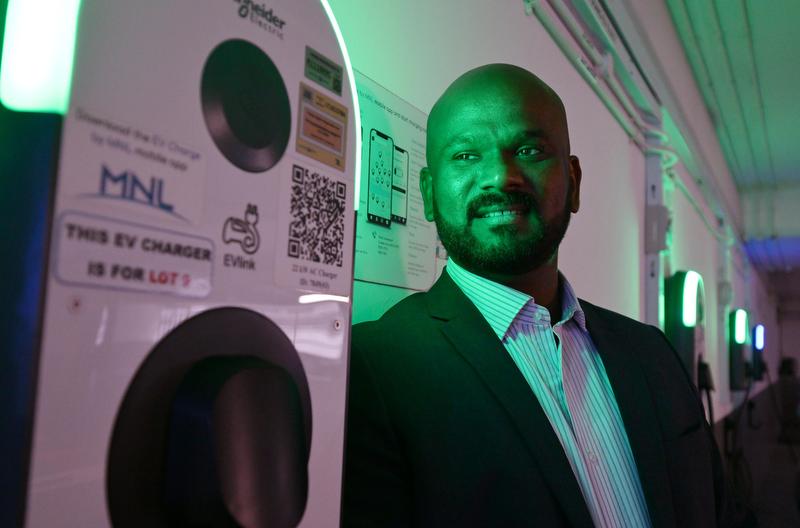 Sathiyamoorthy Nagarajan, who came from India, joined hands with Singaporean engineer Lai Yuan Weng to set up MNL Solutions, which provides smart electric vehicle charging solutions for homes, condominiums, and commercial and industrial sites. Both gave up their comfortable corporate salaries when they teamed up in 2020.ST PHOTO: NG SOR LUAN
39-year-old, who grew up in a low-income family in India, worked his way up in the electrical industry here
Rosalind Ang
Sathiyamoorthy Nagarajan vividly remembers knocking coconuts off trees and selling them at the market before school to supplement his family&rsquo s income while growing up in India.
&ldquo I would peel the coconuts and sell them for maybe 15 cents each and then go to school. I came from a low-income family &ndash my house was even missing one wall,&rdquo said Nagarajan, 39. He came to Singapore in 2007 at the age of 20 to be a painter at construction sites. He remembers taking a skill test at a testing centre in India the year before, which was required at the time to work here. Nagarajan eventually gained enough industry experience to be a power systems specialist. He met Singaporean engineer Lai Yuan Weng, 37, at a work site in 2016. The two friends later teamed up in 2020 and co-founded electric vehicle (EV) charging provider MNL Solutions, which provides smart EV charging solutions for homes, condominiums, and commercial and industrial sites. This meant forgoing their comfortable corporate salaries. The early years saw their families living on a monthly budget of around $3,500 each as they got MNL Solutions off the ground. MNL Solutions&rsquo network now has over 1,000 chargers and 15,000 users in Singapore. Nagarajan graduated with a specialist diploma in workplace safety and health from the BCA Academy. He is married and lives with his wife and two children. Q Do you invest in anything? A Other than in MNL Solutions, I also invest in exchange-traded funds and overseas properties. Q What is your approach when it comes to growing your money? A I believe in long-term investing &ndash that&rsquo s why I believe in investing in MNL Solutions. Back then, when EV charging started as a government initiative, people didn&rsquo t believe much in it, but we decided to invest in it early on. Now EV adoption is getting more and more commonplace, which means I get more in revenue. Q Did you collect anything when you were younger? A I used to collect cricket players&rsquo statistics cards when I was younger. Q What has been your biggest financial mistake? A I once bought a 50 per cent share in a school in India together with someone who was recommended to me by family. After I paid a deposit of about $200,000, I found out that he transferred the ownership of the property to his father. Eventually, he gave me some land as compensation, so it wasn&rsquo t entirely a loss, but he never gave me back my shares of the school. Q What has been your best financial decision? A Definitely MNL Solutions. Q Moneywise, what were your growing-up years like? A I came from a low-income family, so I spent my schooling days picking up coconuts near our house and selling them to help my parents with income, before going to school. I also helped out at a garment business on the weekends when I was about 13 or 14 years old. I remember what it was like to be poor. Back in India, they treated you based on how well-to-do your family was. So at birthday functions back home, children from rich families would be served better food portions, like a bigger fish or such. I always got served the small fish. However, I met a lot of good people in Singapore. One of my friends actually lent me $30,000 to fix my house that was missing a wall back in India. I took a few years to repay that money to him. Q Where is home for you? A I rent a landed property with my family. Q Do you drive? A Yes, I drive a Mercedes-Benz. Q What was your childhood dream? A I wanted to become a movie actor. Q If money was not an issue, what would you buy? A I&rsquo d buy a private jet. Q What would your perfect day look like? A I like to play cricket, so my perfect day would involve playing cricket with my friends. Money matters Q What would you do if you suddenly had a windfall of $1 million? A I would keep aside 30 per cent for my family and 40 per cent to reinvest in MNL solutions, and the last 30 per cent will be invested in sustainability projects like battery recycling. Q If you suddenly had only $100 to your name, what would you do with it? A I would spend half of it on my family and children, and the other half trying to expand my network.
|
|||||||||||||||||||||||||||||||||||||||||||||||||||||||||||||||||||||||||||||||||||||||||||||||||||||||||||||||||||||||||||||||||||||||||||||||||||||||||||
| Useful To Me Not Useful To Me | ||||||||||||||||||||||||||||||||||||||||||||||||||||||||||||||||||||||||||||||||||||||||||||||||||||||||||||||||||||||||||||||||||||||||||||||||||||||||||||
|
chartiskao
Supreme |
23-Jul-2026 09:13
|
|||||||||||||||||||||||||||||||||||||||||||||||||||||||||||||||||||||||||||||||||||||||||||||||||||||||||||||||||||||||||||||||||||||||||||||||||||||||||||
|
x 0
x 0 Alert Admin |
At this stage, Mi Material' s SGX IPO has not announced its final IPO price, cornerstone investors, or underwriting syndicate beyond the lead bank, so it is impossible to conclude whether the IPO is overpriced or underpriced today. The valuation will depend entirely on the final prospectus.
Supporting BankersSo far, the only officially announced lead adviser is:
Cornerstone InvestorsThe IPO structure is expected to include:
How to Judge Whether the IPO Is OverpricedYou should compare Mi Material' s valuation against established semiconductor materials companies.
Is Mi Material a true semiconductor materials leader with durable competitive advantages, or is it simply benefiting from the current AI enthusiasm?If the IPO is priced similarly to mature Japanese and Korean specialty materials companies while still growing rapidly, the valuation may be reasonable. If it is priced like a frontier AI company despite being a cyclical semiconductor supplier, the risk of overvaluation becomes much higher. My Preliminary ViewBefore seeing the prospectus:
|
|||||||||||||||||||||||||||||||||||||||||||||||||||||||||||||||||||||||||||||||||||||||||||||||||||||||||||||||||||||||||||||||||||||||||||||||||||||||||||
| Useful To Me Not Useful To Me | ||||||||||||||||||||||||||||||||||||||||||||||||||||||||||||||||||||||||||||||||||||||||||||||||||||||||||||||||||||||||||||||||||||||||||||||||||||||||||||
|
chartiskao
Supreme |
23-Jul-2026 09:10
|
|||||||||||||||||||||||||||||||||||||||||||||||||||||||||||||||||||||||||||||||||||||||||||||||||||||||||||||||||||||||||||||||||||||||||||||||||||||||||||
|
x 0
x 0 Alert Admin |
Strategic Investment ReportMi Technovation Berhad (KLSE: MITECH)Assessment for Singapore & Hong Kong Family OfficesBased on the information you shared, Mi Technovation is becoming more interesting strategically than it has been at any point in its history. However, that does not automatically make it a good investment at today' s valuation. For a family office, the investment decision should balance business quality against valuation, execution risk, and the cyclicality of the semiconductor industry.Executive Summary
BUY on valuation weakness / HOLD if already invested This is not a " cheap AI stock." It is a semiconductor materials and equipment company whose fortunes are increasingly tied to AI-driven chip demand. Company BackgroundMi Technovation is a Malaysian semiconductor company involved in:
That could unlock value if investors assign a higher multiple to the materials business than Bursa currently does. Why Singapore?The CEO cited several reasons:
The AI OpportunityThe AI boom is not only benefiting GPU designers such as NVIDIA. It also benefits suppliers throughout the semiconductor value chain:
If AI demand continues to grow, demand for advanced packaging materials is also likely to increase. Strategic Advantages1. Niche PositionThe CEO claims there are very few producers of these specialised solder materials in Southeast Asia, with major competitors based in Japan and South Korea.If this competitive position is sustained, it may provide pricing power and barriers to entry. 2. Taiwan ExposureThe acquisition of Accurus Scientific provides access to the Taiwanese semiconductor ecosystem, home to leading chip manufacturers.This positions Mi Technovation within a key global semiconductor supply chain. 3. Singapore ListingA separate SGX listing could:
Financial QualityWithout the full latest audited financial statements, a detailed ratio analysis is not possible. Generally, investors should examine:
ValuationInvestors should avoid valuing Mi Technovation solely on AI enthusiasm.Useful metrics include:
Balance Sheet ConsiderationsQuestions to evaluate include:
Historical PerformanceThe company has grown from a niche equipment supplier into a broader semiconductor technology business through expansion and acquisitions, including the purchase of Accurus Scientific in 2021.Its share price has performed strongly in 2026, reflecting renewed investor interest in semiconductor supply-chain companies. However, semiconductor stocks have historically experienced significant cycles tied to capital spending by chip manufacturers. ManagementExecutive leadership has articulated a strategy centred on:
RisksSemiconductor CyclicalityDemand can weaken rapidly if chipmakers reduce capital expenditure.AI SpendingIf AI infrastructure investment slows, suppliers throughout the ecosystem could experience slower growth.Customer ConcentrationReliance on a limited number of major customers could affect earnings.Technology RiskMaterials suppliers must continue innovating to remain relevant.SGX Listing ExecutionThe proposed listing may not achieve the expected valuation or timing.Family Office PerspectiveFor Singapore and Hong Kong family offices, Mi Technovation could fit within a diversified technology allocation rather than as a core holding.Potential advantages include:
Due Diligence Before InvestingBefore making an investment decision, I would recommend reviewing:
My Overall AssessmentThe business strategy is compelling. Moving into advanced semiconductor materials and seeking an SGX listing could improve access to capital, talent, and investors. If management executes well, Mi Technovation may benefit from long-term AI-related demand for advanced chip packaging.At the same time, the semiconductor industry is highly cyclical, and strong share-price performance can lead to elevated expectations. Whether the stock is an attractive investment depends not only on the quality of the business but also on the valuation investors are being asked to pay. If you would like a true institutional-quality investment report (25&ndash 30 pages equivalent), I can produce one that includes:
when is Mi Technovation Berhad (KLSE: MITECH)ipo and its ipo price and current price dividend yield
Based on the latest available market data:
Mi Technovation Berhad (KLSE: MI)
Share Price Performance Since IPO
4.68&minus 1.701.70× 100&asymp 175%\frac{4.68-1.70}{1.70} \times 100 \approx 175\%1.704.68&minus 1.70 × 100&asymp 175%This represents a gain of roughly 175% since listing, before including dividends. DividendMi Technovation is not a high-dividend company.
ValuationAt around 39× earnings, Mi Technovation trades at a premium to many traditional Malaysian industrial companies. Investors are paying for:
If you' re considering it as an investment, it' s important to evaluate not only the AI story but also the company' s financial strength, cash flow, competitive position, and execution of its expansion strategy.
|
|||||||||||||||||||||||||||||||||||||||||||||||||||||||||||||||||||||||||||||||||||||||||||||||||||||||||||||||||||||||||||||||||||||||||||||||||||||||||||
| Useful To Me Not Useful To Me | ||||||||||||||||||||||||||||||||||||||||||||||||||||||||||||||||||||||||||||||||||||||||||||||||||||||||||||||||||||||||||||||||||||||||||||||||||||||||||||
|
chartistkaohz
Supreme |
22-Jul-2026 14:18
|
|||||||||||||||||||||||||||||||||||||||||||||||||||||||||||||||||||||||||||||||||||||||||||||||||||||||||||||||||||||||||||||||||||||||||||||||||||||||||||
|
x 0
x 0 Alert Admin |
中 国 平 安 ( 2318.HK) 56.50港 元 买 入 深 度 分 析
??价 值 投 资 者 视 角 : 低 估 值 、 高 股 息 、 长 期 复 苏 机 会 截 至 股 价 56.50港 元 , 根 据 你 提 供 的 FactSet数 据 , 中 国 平 安 呈 现 出 典 型 的 **"低 估 值 蓝 筹 股 "**特 征 。 虽 然 市 场 仍 然 担 忧 中 国 经 济 、 房 地 产 及 资 本 市 场 波 动 , 但 如 果 站 在 未 来 3至 5年 的 投 资 周 期 来 看 , 目 前 价 格 具 有 较 高 的 安 全 边 际 。 一 、 估 值 分 析 : 市 场 仍 然 给 予 过 低 定 价 从 截 图 可 见 : 指 标 数 值 评 价 股 价 56.50港 元 当 前 价 格 市 盈 率 (P/E) 6.92倍 极 低 估 值 市 净 率 (P/B) 0.87倍 低 于 净 资 产 每 股 净 资 产 (BVPS) 61.54港 元 高 于 股 价 每 股 盈 利 (EPS) 8.07港 元 盈 利 能 力 强 股 息 率 5.51% 极 具 吸 引 力 最 值 得 关 注 的 是 : 市 净 率 仅 0.87倍 。 换 句 话 说 : 市 场 愿 意 以 87元 购 买 100元 净 资 产 。 对 于 一 家 拥 有 超 过 14万 亿 元 人 民 币 总 资 产 、 中 国 领 先 综 合 金 融 集 团 而 言 , 这 种 估 值 并 不 昂 贵 。 � PingAn 二 、 安 全 边 际 ( Margin of Safety) 根 据 截 图 : 每 股 净 资 产 =61.54港 元 目 前 股 价 =56.50港 元 折 让 约 8%左 右 这 意 味 着 : 即 使 未 来 盈 利 增 长 放 缓 , 投 资 者 仍 然 拥 有 资 产 价 值 作 为 保 护 。 价 值 投 资 大 师 格 雷 厄 姆 一 直 强 调 : 投 资 最 重 要 的 是 安 全 边 际 。 中 国 平 安 目 前 正 符 合 这 一 原 则 。 三 、 市 盈 率 仅 6.9倍 意 味 着 什 么 ? 国 际 大 型 保 险 公 司 一 般 估 值 : 约 9倍 至 15倍 PE。 平 安 : 只 有 6.92倍 代 表 市 场 仍 然 认 为 : 中 国 经 济 仍 然 疲 弱 房 地 产 风 险 仍 未 完 全 解 除 投 资 收 益 具 有 波 动 市 场 情 绪 仍 然 偏 悲 观 但 是 : 如 果 未 来 盈 利 保 持 稳 定 , 市 场 只 需 要 恢 复 至 8~10倍 PE, 股 价 便 存 在 明 显 上 升 空 间 。 按 照 EPS: 8.07港 元 计 算 : 8倍 PE ≈ 64.6港 元 9倍 PE ≈ 72.6港 元 10倍 PE ≈ 80.7港 元 说 明 目 前 估 值 已 经 反 映 大 量 悲 观 预 期 。 四 、 股 息 投 资 价 值 十 分 突 出 根 据 截 图 : 年 度 股 息 3.07港 元 股 息 率 5.51% 这 代 表 : 假 设 未 来 股 息 保 持 稳 定 , 投 资 者 每 年 可 以 获 得 约 5%以 上 现 金 回 报 。 相 比 : 香 港 定 期 存 款 美 国 国 债 香 港 大 型 蓝 筹 平 安 股 息 仍 具 有 竞 争 力 。 更 重 要 的 是 : 股 息 来 自 持 续 盈 利 , 并 非 依 赖 举 债 派 息 。 五 、 真 正 的 价 值 来 自 保 险 业 务 , 而 非 短 期 投 资 收 益 很 多 投 资 者 只 看 : 净 利 润 事 实 上 , 保 险 公 司 更 应 该 关 注 : 经 营 利 润 ( Operating Profit) 因 为 : 股 票 市 场 上 涨 、 债 券 价 格 变 化 、 利 率 波 动 , 都 会 影 响 净 利 润 。 但 这 些 属 于 短 期 投 资 波 动 。 真 正 决 定 保 险 公 司 价 值 的 是 : 保 费 收 入 新 业 务 价 值 ( NBV) 客 户 数 量 承 保 利 润 2026年 第 一 季 度 : 平 安 经 营 利 润 增 长 7.6% 寿 险 新 业 务 价 值 ( NBV) 增 长 20.8% 说 明 核 心 保 险 业 务 仍 保 持 较 强 增 长 势 头 。 � PingAn +1 六 、 医 疗 养 老 生 态 正 在 形 成 第 二 增 长 曲 线 过 去 市 场 认 为 : 平 安 只 是 保 险 公 司 。 事 实 上 , 近 年 来 管 理 层 不 断 建 设 : 综 合 金 融 + 医 疗 健 康 + 养 老 服 务 形 成 新 的 商 业 模 式 。 例 如 : 平 安 健 康 北 大 医 疗 集 团 家 庭 医 生 医 疗 保 险 养 老 社 区 这 些 业 务 不 仅 创 造 收 入 , 还 能 增 强 客 户 黏 性 , 提 高 交 叉 销 售 能 力 。 � PingAn 七 、 中 国 经 济 复 苏 是 最 大 催 化 剂 目 前 市 场 给 予 平 安 低 估 值 , 主 要 原 因 不 是 公 司 经 营 失 败 , 而 是 : 市 场 对 中 国 资 产 缺 乏 信 心 。 如 果 未 来 出 现 : 消 费 恢 复 房 地 产 企 稳 股 市 改 善 利 率 稳 定 保 险 公 司 的 投 资 收 益 、 新 保 单 销 售 、 财 富 管 理 业 务 , 都 可 能 同 步 改 善 , 市 场 估 值 亦 有 望 重 新 提 升 。 八 、 主 要 风 险 分 析 ( 一 ) 投 资 收 益 波 动 保 险 公 司 拥 有 庞 大 的 投 资 组 合 。 若 : A股 、 债 券 、 房 地 产 继 续 疲 弱 , 净 利 润 仍 可 能 受 到 影 响 。 事 实 上 , 2026年 第 一 季 度 净 利 润 下 降 7.4%, 主 要 就 是 受 到 投 资 收 益 疲 弱 影 响 , 而 非 核 心 保 险 业 务 恶 化 。 � Reuters ( 二 ) 中 国 经 济 仍 存 在 压 力 包 括 : 房 地 产 调 整 消 费 信 心 不 足 企 业 投 资 放 缓 都 会 影 响 保 险 需 求 。 因 此 , 市 场 短 期 仍 可 能 保 持 谨 慎 。 ( 三 ) 平 安 银 行 盈 利 承 压 平 安 银 行 : 受 到 净 息 差 收 窄 、 贷 款 增 长 放 缓 影 响 , 盈 利 增 长 有 限 。 不 过 , 整 体 资 产 质 量 仍 保 持 稳 定 。 � PingAn 九 、 为 什 么 56.50港 元 值 得 长 期 关 注 ? 当 前 市 场 实 际 上 给 予 中 国 平 安 : 低 估 值 、 高 现 金 流 、 高 股 息 、 稳 健 资 产 负 债 表 的 组 合 。 如 果 未 来 三 至 五 年 : 中 国 经 济 温 和 复 苏 ; 寿 险 需 求 继 续 增 长 ; 医 疗 养 老 生 态 逐 步 贡 献 利 润 ; 市 场 情 绪 改 善 , 那 么 目 前 不 足 7倍 市 盈 率 、 低 于 账 面 价 值 的 估 值 , 存 在 重 新 评 级 ( Re-rating) 的 可 能 。 最 终 投 资 结 论 ( 价 值 投 资 评 级 ) 综 合 评 分 : ★ ★ ★ ★ ★ ( 5/5) ??长 期 价 值 型 买 入 在 56.50港 元 附 近 , 中 国 平 安 并 不 是 一 只 依 赖 短 期 题 材 推 动 的 股 票 , 而 是 一 家 具 有 深 厚 资 产 基 础 、 稳 定 现 金 流 和 持 续 分 红 能 力 的 综 合 金 融 集 团 。 从 估 值 来 看 : 6.92倍 市 盈 率 意 味 着 市 场 已 经 充 分 反 映 悲 观 预 期 ; 0.87倍 市 净 率 说 明 仍 低 于 账 面 价 值 , 安 全 边 际 充 足 ; 5.51%股 息 率 为 投 资 者 提 供 持 续 现 金 回 报 ; 核 心 保 险 业 务 持 续 改 善 , 2026年 第 一 季 度 经 营 利 润 增 长 7.6%, 新 业 务 价 值 增 长 20.8%, 反 映 公 司 基 本 面 仍 在 增 强 , 而 短 期 净 利 润 波 动 主 要 来 自 资 本 市 场 投 资 收 益 , 而 非 主 营 业 务 恶 化 。 � PingAn +1 对 于 坚 持 巴 菲 特 式 价 值 投 资 、 重 视 长 期 复 利 和 股 息 收 入 的 投 资 者 而 言 , 56.50港 元 更 像 是 一 个 具 有 吸 引 力 的 长 期 布 局 区 间 , 真 正 需 要 的 不 是 预 测 短 期 股 价 , 而 是 耐 心 等 待 中 国 经 济 与 市 场 信 心 恢 复 , 让 公 司 的 内 在 价 值 逐 步 反 映 到 股 价 之 中 。 |
|||||||||||||||||||||||||||||||||||||||||||||||||||||||||||||||||||||||||||||||||||||||||||||||||||||||||||||||||||||||||||||||||||||||||||||||||||||||||||
| Useful To Me Not Useful To Me | ||||||||||||||||||||||||||||||||||||||||||||||||||||||||||||||||||||||||||||||||||||||||||||||||||||||||||||||||||||||||||||||||||||||||||||||||||||||||||||
|
chartiskao
Supreme |
22-Jul-2026 05:12
|
|||||||||||||||||||||||||||||||||||||||||||||||||||||||||||||||||||||||||||||||||||||||||||||||||||||||||||||||||||||||||||||||||||||||||||||||||||||||||||
|
x 0
x 0 Alert Admin |
Strategic Analysis: Can DeepSeek and Moonshot Undercut OpenAI, Anthropic and Trigger a Re-rating of AI Semiconductor Stocks?Executive SummaryThe emergence of DeepSeek and Moonshot AI' s Kimi K3 represents one of the most significant developments in the AI industry since ChatGPT' s launch. Their progress challenges a key assumption that has supported the premium valuations of many AI infrastructure companies: that frontier AI requires ever-increasing spending on computing power and the latest chips.The investment case is not that demand for AI chips will disappear. Rather, if Chinese AI companies continue to produce competitive models at much lower cost, the rate of future spending growth by leading AI developers could slow. Given the high valuations of many semiconductor companies, even a moderation in expected growth could lead to meaningful share-price adjustments. 1. The Old AI Investment ThesisOver the past three years, markets broadly accepted the following narrative:
2. DeepSeek Changed the EconomicsDeepSeek demonstrated that competitive AI models could be developed with substantially lower costs than many expected.Instead of relying solely on ever-larger clusters of GPUs, Chinese researchers showed that:
3. Moonshot Reinforces the TrendMoonshot' s Kimi K3 strengthens the argument that high-performing AI models can emerge outside the largest US AI labs.According to the information you provided:
4. Could This Hurt OpenAI and Anthropic?Potentially, yes.The main risk is pricing pressure, not necessarily technological inferiority. If customers can obtain " good enough" AI performance at much lower cost, US model providers may need to:
However, enterprise customers may still choose US providers for reasons such as:
5. Implications for Semiconductor CompaniesThe key question is whether lower-cost AI models reduce demand for chips.There are two competing scenarios. Scenario A: Bearish for AI Chip StocksIf more efficient AI models require fewer GPUs per task:
Scenario B: Jevons Paradox (More Likely)Historically, when technology becomes cheaper and more efficient, total usage often increases rather than decreases.Examples include:
6. Valuation MattersThe reaction of semiconductor stocks reflects not only fundamentals but also expectations.Many leading AI-related companies trade at valuations that already assume sustained high growth. If investors begin to believe that:
For example:
7. Potential Impact on Selected Companies
8. Implications for SGX-listed CompaniesSingapore has relatively few pure-play AI semiconductor companies, but several listed firms participate indirectly.Potential beneficiaries if AI adoption broadens include:
Final AssessmentThe rise of DeepSeek and Moonshot does not automatically invalidate the AI investment story, but it does challenge the assumption that ever-increasing expenditure on the most advanced hardware is the only path to competitive AI.Three conclusions stand out:
|
|||||||||||||||||||||||||||||||||||||||||||||||||||||||||||||||||||||||||||||||||||||||||||||||||||||||||||||||||||||||||||||||||||||||||||||||||||||||||||
| Useful To Me Not Useful To Me | ||||||||||||||||||||||||||||||||||||||||||||||||||||||||||||||||||||||||||||||||||||||||||||||||||||||||||||||||||||||||||||||||||||||||||||||||||||||||||||
|
chartiskao
Supreme |
21-Jul-2026 03:57
|
|||||||||||||||||||||||||||||||||||||||||||||||||||||||||||||||||||||||||||||||||||||||||||||||||||||||||||||||||||||||||||||||||||||||||||||||||||||||||||
|
x 0
x 0 Alert Admin |
The article' s central argument is that building a condominium that surpasses The Marq on Paterson Hill is less constrained by demand than by supply, land economics, regulation, and execution risk. There are buyers willing to pay S$20&ndash 40 million for an exceptional luxury residence, but creating such a project is increasingly difficult.
Executive SummaryThe barriers fall into five main categories:
1. The Marq is already an exceptional benchmarkThe Marq is difficult to replicate because it combines several rare characteristics:
Unlike many modern luxury projects, The Marq was not designed to maximise the number of saleable units. Instead it maximised prestige. That makes it difficult to reproduce today. 2. Finding the land is the biggest problemThe article argues that land&mdash not buyers&mdash is the main constraint.Developers generally obtain land from: Option AGovernment Land Sales (GLS)Problem: Most GLS residential sites today are
Option BCollective sale (en bloc)This is where problems begin. A developer needs:
3. Freehold owners have little incentive to sellThis is probably the article' s strongest point.Owners of freehold Orchard properties think differently from owners of ageing 99-year leasehold projects. For a 99-year lease: Remaining lease keeps declining. Value eventually deteriorates. Owners feel pressure to sell. For freehold: There is no lease decay. Owners can simply wait. Many believe: Freehold land becomes more valuable as supply becomes scarcer.Therefore many reject en bloc offers. 4. ABSD makes replacement purchases unattractiveSingapore' s property taxes also discourage collective sales.Suppose someone owns a luxury condo worth S$25 million. After selling: They want another luxury condo. But: If they already own multiple properties: Second property: 20% ABSD Third property: 30% ABSD Foreign buyers: 60% ABSD These taxes make recycling capital much less attractive. Instead many owners simply keep their existing homes. This reduces en bloc participation. 5. Developers face enormous financial riskLuxury developments differ significantly from mass-market condominiums.Mass market:
Maybe only: 50&ndash 100 potential buyers worldwide. If one unit costs: S$30 million Finding buyers becomes much harder. Sales may take years. 6. Five-year deadline increases riskSingapore' s residential development rules create another challenge.Developers generally need to complete and sell qualifying residential units within prescribed timelines or face substantial penalties under the residential property rules. For mass-market projects: This is usually manageable. For S$30&ndash 40 million apartments: Sales are naturally slower. This increases risk considerably. 7. Why demand still existsThe article argues demand is actually strengthening.Potential buyers include:
8. Why The Marq commands premium pricesThe recent transaction of approximately S$5,937 psf demonstrates that age alone does not determine value.Instead, buyers place a premium on:
Investment PerspectiveFrom an investment standpoint, the article highlights an important economic principle:Scarcity creates pricing power.If freehold luxury supply around Orchard Road remains extremely limited while Singapore continues attracting wealthy residents, existing landmark developments such as The Marq may retain a scarcity premium. However, buyers in this segment should view these homes primarily as wealth-preservation and lifestyle assets, rather than investments aimed at maximizing rental yields. Returns are more likely to come from long-term capital appreciation driven by rarity, location, and enduring desirability than from income generation.
|
|||||||||||||||||||||||||||||||||||||||||||||||||||||||||||||||||||||||||||||||||||||||||||||||||||||||||||||||||||||||||||||||||||||||||||||||||||||||||||
| Useful To Me Not Useful To Me | ||||||||||||||||||||||||||||||||||||||||||||||||||||||||||||||||||||||||||||||||||||||||||||||||||||||||||||||||||||||||||||||||||||||||||||||||||||||||||||
|
chartiskao
Supreme |
20-Jul-2026 14:46
|
|||||||||||||||||||||||||||||||||||||||||||||||||||||||||||||||||||||||||||||||||||||||||||||||||||||||||||||||||||||||||||||||||||||||||||||||||||||||||||
|
x 0
x 0 Alert Admin |
Singapore Financial Sector Strategic ReportDBS &bull OCBC &bull UOB &bull Great Eastern &bull Hong Leong FinanceDate: 20 July 2026 (Intraday)Executive Summary
Market Performance TodayFrom your watchlist:
1. DBS GroupInvestment ThesisDBS remains Singapore' s highest-quality bank.Strengths
ValuationAlthough DBS trades at a premium relative to peers, that premium reflects its superior profitability and franchise quality.The market continues rewarding DBS for:
2. OCBCInvestment ThesisOCBC is arguably the most diversified financial group in Singapore.Its businesses include:
Competitive AdvantagesUnlike DBS and UOB,OCBC owns Great Eastern, giving shareholders exposure to
This diversification smooths earnings across economic cycles. Great Eastern DelistingOCBC has substantially increased its ownership of Great Eastern following its privatization efforts, further integrating the insurance business within the group.3. UOBInvestment ThesisUOB remains ASEAN' s most regionally focused bank.Its strategy centres on:
Strengths
4. Great EasternGreat Eastern has become increasingly attractive because:
5. Hong Leong FinanceHong Leong Finance remains a niche lender rather than a universal bank.Strengths include:
Relative Comparison
Risk AssessmentDBSPrimary risk:
OCBCPrimary risk:
UOBPrimary risk:
Great EasternPrimary risk:
Hong Leong FinancePrimary risk:
Portfolio PositioningFor a long-term dividend investor:
Strategic Outlook (2026&ndash 2030)The key themes likely to shape returns over the next several years are:
Overall Strategic Ratings
|
|||||||||||||||||||||||||||||||||||||||||||||||||||||||||||||||||||||||||||||||||||||||||||||||||||||||||||||||||||||||||||||||||||||||||||||||||||||||||||
| Useful To Me Not Useful To Me | ||||||||||||||||||||||||||||||||||||||||||||||||||||||||||||||||||||||||||||||||||||||||||||||||||||||||||||||||||||||||||||||||||||||||||||||||||||||||||||